
When a major law enforcement incident occurs, the release of police reports is often hailed as a vital victory for public transparency. Yet, when journalists, legal defense teams, or concerned citizens receive these official documents, they are frequently met with heavy black bars covering names, addresses, narrative sections, and entire pages.
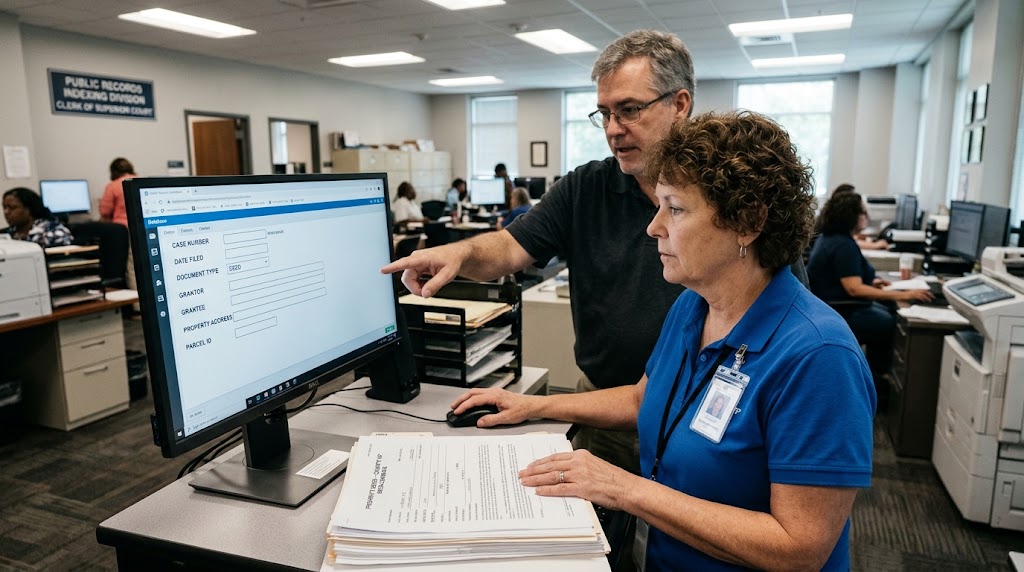
The practice of redaction—the deliberate censorship or withholding of specific information within an otherwise public record—serves as the legal battlefield between the public’s right to oversee state authority and the government’s duty to protect individual privacy, safety, and judicial integrity.
Public records laws, such as the federal Freedom of Information Act (FOIA) in the United States and equivalent open records statutes at state and international levels, operate on a core presumption: government records belong to the public. However, that right of access is not absolute. Statutes establish specific, narrow exemptions that permit or require law enforcement agencies to alter records before public disclosure.
Understanding what information is routinely obscured—and the precise reasons why—reveals how law enforcement balances accountability against systemic harm.
1. Personally Identifiable Information (PII)
The most consistent category of redacted text in public police documents involves personally identifiable information. When law enforcement officers respond to a call, they capture granular personal details regarding suspects, victims, witnesses, and reporting parties.
Before releasing incident reports, arrest logs, or dispatch transcripts, records custodians obscure data points including:
- Social Security numbers and national identification codes
- Driver’s license numbers and state ID details
- Home addresses, personal telephone numbers, and email addresses
- Dates of birth and financial account numbers
- Vehicle Identification Numbers (VINs) and license plate numbers
Why It Is Redacted
The primary justification for withholding PII is safeguarding private citizens against identity theft, financial fraud, physical harassment, and stalking. Releasing an unredacted police report containing a witness’s home address or a victim’s Social Security number exposes those individuals to severe personal safety and financial security risks. Furthermore, if citizens believe that interacting with law enforcement will result in their personal details becoming permanently indexed on public databases, public cooperation with police would plummet.
2. Identities of Minors and Vulnerable Victims
Special statutory protections exist across almost all jurisdictions to shield the identities of vulnerable individuals involved in police incidents.
Law enforcement agencies automatically redact the names, addresses, photographs, and identifying characteristics of juvenile suspects, juvenile victims, and juvenile witnesses. Similarly, legal mandates strictly protect the identity of adult victims of sensitive crimes, including sexual assault, domestic violence, child abuse, human trafficking, and stalking.
Why It Is Redacted
For juveniles, legal systems prioritize rehabilitation and protection over public exposure. The objective is to prevent a juvenile mistake, false accusation, or traumatic experience from following a child into adulthood as a searchable public record that could ruin educational, housing, or employment opportunities.
For victims of sexual violence or domestic abuse, redaction shields individuals from public embarrassment, secondary trauma, and retribution from perpetrators. It also serves a broader public policy goal: ensuring victims feel safe to come forward and report crimes without fear of media exposure or community stigmatization.
3. Active Investigative Tactics, Sources, and Informants
Police reports do not merely log resolved events; they frequently detail open investigations, active operational tactics, and intelligence-gathering methods.
When releasing records related to active cases or ongoing multi-agency operations, agencies heavily redact sections detailing:
- The identities and statements of confidential informants
- Undercover officer names, aliases, and operational locations
- Proprietary investigative techniques, technical surveillance setups, and digital forensic methodology
- Specific unreleased facts about a crime scene that only the perpetrator would know
- Active leads, wiretap approvals, and prospective search warrant targets
Why It Is Redacted
Exposing active leads or operational secrets can derail a criminal prosecution. If suspects read unredacted reports detailing police intelligence, they can destroy evidence, intimidate witnesses, flee the jurisdiction, or change their operational patterns to evade arrest.
More critically, unmasking confidential informants or undercover personnel places human lives in immediate, grave danger. Informants and covert officers face severe risk of violent retaliation if their cooperation with law enforcement becomes public knowledge.
4. Medical, Psychological, and Substance Abuse Records
Police officers are frequently the first responders to non-criminal human crises, including drug overdoses, mental health episodes, suicide attempts, and severe physical trauma.
Details within police reports that describe personal medical diagnoses, psychological evaluations, emergency room treatments, toxicology results, or paramedic notes are routinely redacted prior to public release.
Why It Is Redacted
Federal and state privacy laws—such as the Health Insurance Portability and Accountability Act (HIPAA) alongside local health privacy statutes—mandate strict confidentiality for medical records. Individuals experiencing acute mental health breakdowns or medical emergencies do not forfeit their right to medical privacy simply because a police officer responded to the 911 call. Redaction prevents sensitive health data from exposing individuals to employment discrimination, social stigma, or private embarrassment.
5. Grand Jury Materials and Constitutional Evidentiary Safeguards
Certain legal materials incorporated into police files carry absolute legal bars to disclosure. Police documents referencing grand jury proceedings, sealed court filings, intercepted communications, or unindicted co-conspirators are stripped of sensitive references.
Why It Is Redacted
Grand jury proceedings rely on strict secrecy to encourage candid witness testimony and to protect the reputations of individuals who are investigated but ultimately cleared of wrongdoing. Releasing unverified allegations, raw intelligence, or pre-trial evidentiary material can also violate an accused individual’s constitutional right to a fair trial by corrupting the prospective jury pool before court proceedings even begin.
The Ongoing Debate Over Over-Redaction
While the legal justifications for redaction are rooted in legitimate privacy and security concerns, the execution of redaction remains a source of ongoing friction between public institutions, journalists, civil rights advocates, and the communities they serve.
Open-government advocates frequently point out that law enforcement agencies can misuse redaction privileges. Heavy black bars are sometimes applied to obscure officer misconduct, minimize administrative errors, or unnecessarily delay the public release of critical body-worn camera footage and critical incident reports. When agencies engage in improper redaction, news organizations and civil liberties groups must file administrative appeals or costly lawsuits to compel proper public disclosure.
Conversely, law enforcement record management teams face immense backlogs, evolving statutory compliance rules, and severe legal liability if protected victim or juvenile data is released inadvertently. To process thousands of monthly record requests, many police departments have turned to automated redaction software. While efficient, automated tools can lead to over-redaction, blacking out neutral administrative context alongside protected text.
A Democratic Balancing Act
Redaction within public police reports is designed not as a wall of secrecy, but as a legal balancing mechanism. It attempts to reconcile the public’s vital right to inspect and evaluate state power with the fundamental rights of individuals to privacy, personal safety, and fair legal process.
Knowing what information is routinely redacted—and scrutinizing the statutory reasons cited by law enforcement when information is blacked out—allows journalists, defense attorneys, and citizens to ensure that open records laws fulfill their core purpose: keeping government transparent without compromising human rights.
Leave a Reply