
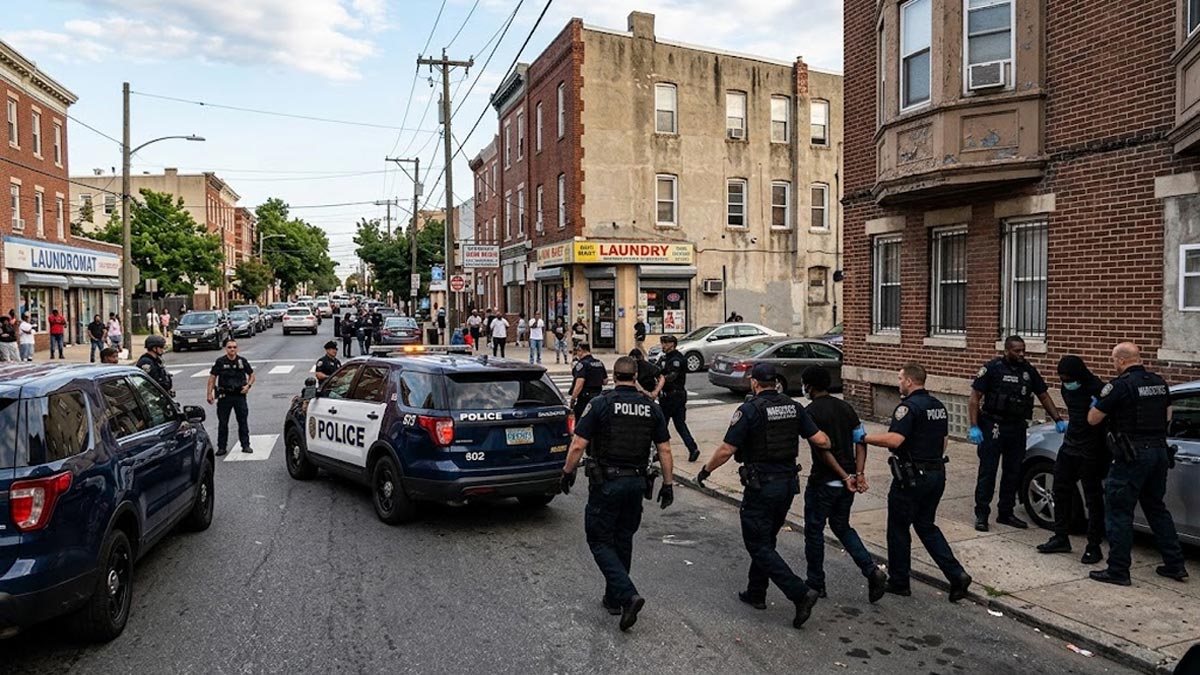
When communities review annual crime reports, sudden spikes or drops in arrest numbers are often interpreted as signs that local crime is surging or subsiding. However, local arrest statistics frequently reflect changes in law enforcement strategy and drug enforcement tactics rather than actual shifts in criminal activity.
Understanding the direct connection between drug enforcement policies and police data reveals how policy decisions shape public records.
1. Enforcement Priorities vs. Actual Crime Rates
Unlike many violent or property crimes that rely on victim reports to trigger a police response, drug offenses are largely proactive. This means drug arrest volumes depend almost entirely on where and how police officers spend their time.
- Proactive Patrols: Assigning specialized task forces to specific neighborhood corridors or transit hubs creates an immediate, artificial spike in drug arrest metrics.
- Deprioritization: Shifting resources away from street-level drug enforcement toward violent crimes or traffic safety leads to a sharp decline in reported drug arrests—even if community drug use remains unchanged.
2. Low-Level Possession vs. Supply Chain Operations
The specific focus of a drug enforcement strategy heavily alters total arrest metrics. The volume of arrests fluctuates based on whether law enforcement targets consumers or suppliers.
| Strategy Focus | Impact on Total Arrest Numbers | Resource Allocation |
| Street-Level Possession | High Volume: Rapid, frequent arrests for minor personal possession amounts. | Short-term patrols, buy-bust operations, routine traffic stops. |
| Major Trafficking Networks | Low Volume: Long-term investigations resulting in fewer total arrests. | Multi-agency task forces, wiretaps, financial audits, search warrants. |
A department focusing on high-level trafficking operations may show a dramatic decrease in total annual drug arrests, even though those investigations yield far larger narcotics seizures and dismantle major criminal networks.
3. Policy Reforms, Decriminalization, and Diversion
Legislative changes and prosecution policies alter local arrest data overnight. Across many jurisdictions, drug policy reforms have reshaped how local police departments handle controlled substances.
- Decriminalization & Reclassification: Reclassifying low-level possession from a felony to a misdemeanor—or civil infraction—drastically reduces formal custodial arrests.
- Pre-Arrest Deflection: Programs that route individuals struggling with addiction directly into healthcare, treatment, or social services allow officers to address drug use without initiating a formal arrest or filing criminal charges.
4. Downstream Effects on Broader Offense Metrics
Drug enforcement efforts rarely exist in isolation. Because proactive drug policing relies heavily on vehicle stops, pedestrian checks, and search warrants, shifts in drug tactics directly impact other arrest categories.
Intensive drug interdiction campaigns often lead to collateral increases in arrests for weapons possession, outstanding warrants, and resisting arrest. Conversely, scaling back proactive drug stops typically causes a simultaneous drop in overall misdemeanor arrest figures across the board.
Reading Beyond the Raw Numbers
Arrest statistics tell a story about what law enforcement is doing, not just what is happening on the street. Evaluating local safety data requires looking beyond raw arrest totals to understand the underlying enforcement strategies, resource shifts, and policy goals driving those numbers.
Leave a Reply