
When an emergency strikes—whether a sudden medical event, a house fire, an attempted break-in, or a severe utility failure—panic and stress can severely impair quick decision-making. In critical moments, seconds spent searching the internet for an elusive local dispatch number or scrolling through unorganized contacts can make a life-saving difference.
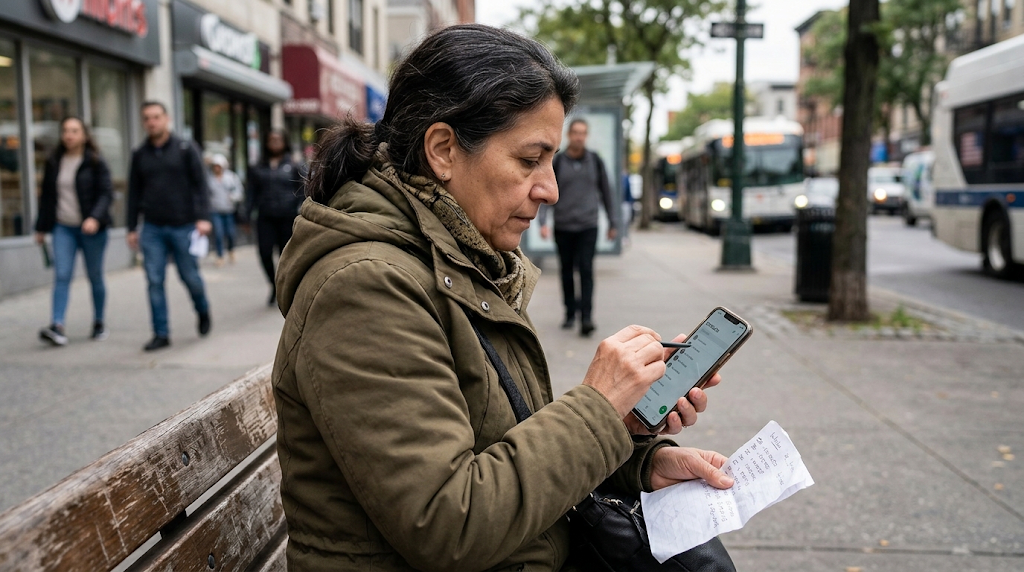
While universal emergency digits like 911 (North America), 112 (Europe/International), or local equivalents provide a vital primary link to emergency dispatchers, relying solely on a three-digit code is often insufficient during complex crises. Major disasters can overload central call centers, and specific incidents—such as a toxic chemical spill, an animal bite, or a mental health crisis—are frequently handled faster by direct specialized helplines.
Building a comprehensive, pre-organized emergency contact directory on your smartphone is one of the simplest, most effective steps you can take to protect yourself, your family, and your household.
Below is a master checklist of essential emergency contacts every resident should store in their phone, complete with organizational strategies and setup tips for modern smartphones.
1. Primary National Emergency Numbers
These are the primary, three-digit emergency services that dispatch immediate police, fire, or medical units to your GPS location.
- Primary Local Emergency Number: Store your country’s central emergency number (911 in the US/Canada, 999 or 112 in the UK, 112 in Europe/Indonesia, 000 in Australia).
- Non-Emergency Police Dispatch: Essential for reporting crimes after the fact (e.g., a past burglary, property damage) or non-life-threatening disturbances without clogging emergency 911 lines.
- Non-Emergency Fire / EMS Line: For routine fire safety inquiries, home burn permits, or non-emergency transport assistance.
2. Specialized Health & Medical Helplines
Not all medical or psychological crises require an immediate ambulance dispatch, but they often require specialized, expert guidance within minutes.
SPECIALIZED MEDICAL CONTACT PIPELINE

[Poison Control Center] --------> Immediate toxic exposure & chemical guidance
[Mental Health Crisis (988)] ---> 24/7 Suicide, depression & psychological support
[Primary Care / Urgent Care] --> Non-life-threatening illness & after-hours triage
[Nearest Trauma Center] -------> Direct ER desk for transport & capacity queries
- Poison Control Center: In the US, save 1-800-222-1222 (or your local national poison hotline). Critical for immediate advice on accidental chemical ingestion, cleaning product exposure, medication overdoses, or venomous bites.
- Mental Health & Suicide Crisis Lifeline: In the US and Canada, save 988 (or local crisis intervention lines). Provides 24/7 confidential support for individuals experiencing psychological distress or suicidal thoughts.
- Primary Care Physician & Pediatrician: Quick access to your family doctor or children’s pediatrician for after-hours medical advice and urgent prescription guidance.
- Preferred Local Emergency Room / Trauma Center: Storing the direct front-desk number helps in coordinating specialized care or checking emergency room intake status before arrival.
- 24-Hour Pharmacy: For urgent prescription refills or consulting a pharmacist regarding adverse medication reactions.
3. Utility & Infrastructure Emergency Lines
During severe weather events, infrastructure failures can pose immediate physical dangers. Utility disruptions often require direct contact with utility company dispatchers rather than police or fire departments.
- Electric Utility Emergency / Outage Line: To report downed power lines, electrical arcing, or widespread neighborhood blackouts.
- Gas Company Emergency Line: The direct hotline to report suspected natural gas leaks or sulfur/rotten-egg odors inside or near your home.
- Municipal Water & Sewer Department: To report broken water mains, severe municipal pipe bursts, or sewage backups.
- Local Highway Patrol / Road Conditions Line: (e.g., 511 in many regions) To check road closures, severe weather hazards, and state police roadside assistance.
4. Household, Animal & Property Services
Property emergencies can cause catastrophic financial and structural damage if not addressed immediately by professional service providers.
- Animal Control / Local Humane Society: For reporting aggressive stray animals, wildlife entering living spaces, or suspected rabies encounters.
- ASPCA / Pet Poison Helpline: Specialized emergency lines for animal toxin ingestion (e.g., 1-888-426-4435 in the US).
- Licensed 24-Hour Locksmith: Prevents falling victim to roadside or lock-out scams during late-night building or vehicle lockouts.
- 24-Hour Emergency Plumber: Essential for shutting off and repairing main water line ruptures before structural flooding occurs.
- Home Insurance Claims Hotline: For filing immediate claims and securing emergency mitigation services following fires, storms, or pipe bursts.
5. Personal & Family Safety Network
In addition to institutional services, your phone directory must include an organized personal safety network.
- Primary ICE (In Case of Emergency) Contact: Your spouse, parent, or primary caregiver.
- Out-of-Area Emergency Contact: During regional natural disasters (e.g., earthquakes, hurricanes), local phone networks often jam. An out-of-state or out-of-region relative serves as a central check-in point for family members to confirm safety.
- Trusted Immediate Neighbors: People living on your street who hold spare keys, know your pets, and can inspect your property if you are away during a neighborhood crisis.
- School / Childcare Emergency Contacts: Direct numbers for school administration, daycare centers, and authorized pickup individuals.
Master Emergency Contact Directory Checklist
Use this quick-reference table to audit and update your smartphone’s contact list today:
| Contact Category | Recommended Entry Name Format | Specific Number to Store |
| National Emergency | ICE - Primary Emergency | 911 / 112 / Local Code |
| Non-Emergency Police | Police - Non-Emergency | Local Police Dispatch Number |
| Non-Emergency Fire | Fire - Non-Emergency | Local Fire Department Line |
| Poison Control | Medical - Poison Control | National Poison Hotline |
| Crisis & Mental Health | Crisis - Mental Health (988) | 988 or Local Crisis Line |
| Pediatrician / Doctor | Medical - Pediatrician | Family Doctor Direct Line |
| 24-Hour Pharmacy | Pharmacy - Emergency 24/7 | Local Pharmacy Desk |
| Electric Utility | Utility - Electric Outage | Electric Company Hotline |
| Gas Utility | Utility - Gas Leak Line | Gas Company Emergency Number |
| Water Utility | Utility - Water Break | Municipal Water Department |
| Animal Control | Services - Animal Control | Local Animal Control Desk |
| Locksmith | Services - 24/7 Locksmith | Verified Local Locksmith |
| Out-of-Area Family | ICE - Out of Area Contact | Relative Outside Your Region |
How to Optimize Emergency Contacts on Your Smartphone
Simply saving a number in your contact list is not enough. During an emergency, you or emergency medical technicians (EMTs) need to access this information instantly—even if your phone is locked.
1. Set Up Medical ID / Lock Screen Access
Both Apple iOS and Android OS feature built-in emergency health platforms that allow first responders to view vital health data and call designated emergency contacts without unlocking your device.
- On iPhone (iOS): Open the Health App → Tap your profile picture → Select Medical ID → Tap Edit → Add your Emergency Contacts and health conditions → Enable Show When Locked.
- On Android: Open Settings → Select Safety & Emergency (or Users & Accounts on older versions) → Tap Emergency Contacts and Medical Information → Add your key contacts and toggle Show on Lock Screen.
2. Use Standardized Naming Conventions
In moments of extreme stress, searching for a specific doctor’s name or a utility company’s corporate title can waste valuable time. Use clear, functional prefixes in your contact list:
- Use
ICE - [Name]for personal family contacts (e.g.,ICE - Spouse Sarah). - Use functional category prefixes like
Police -,Medical -, orUtility -so all emergency entries cluster together alphabetically when searched.
3. Star and Favorite Key Contacts
Add primary emergency entries, family members, and non-emergency dispatch lines to your phone app’s Favorites or Starred list. On most devices, favorited contacts can bypass “Do Not Disturb” modes, ensuring urgent calls or alerts wake you during nighttime emergencies.
4. Maintain a Physical Paper Backup
Digital tools are vulnerable to dead batteries, water damage, and network outages during severe natural disasters. Print a physical copy of your Emergency Contact Directory, laminate it, and keep copies in high-visibility locations:
- Posted inside a kitchen cabinet or on the refrigerator door.
- Stored inside your family’s vehicle glove compartments.
- Tucked into your home’s emergency earthquake/disaster bug-out bags.
Taking twenty minutes today to organize, program, and print your essential emergency contacts replaces uncertainty with immediate, structured action when it matters most.
Leave a Reply