
For millions of shift workers, late-night hospitality employees, evening students, and night-owls across major urban centers, public transit is the indispensable backbone of late-night mobility. Subways, light rail networks, commuter trains, and night bus routes keep cities breathing long after office towers darken.
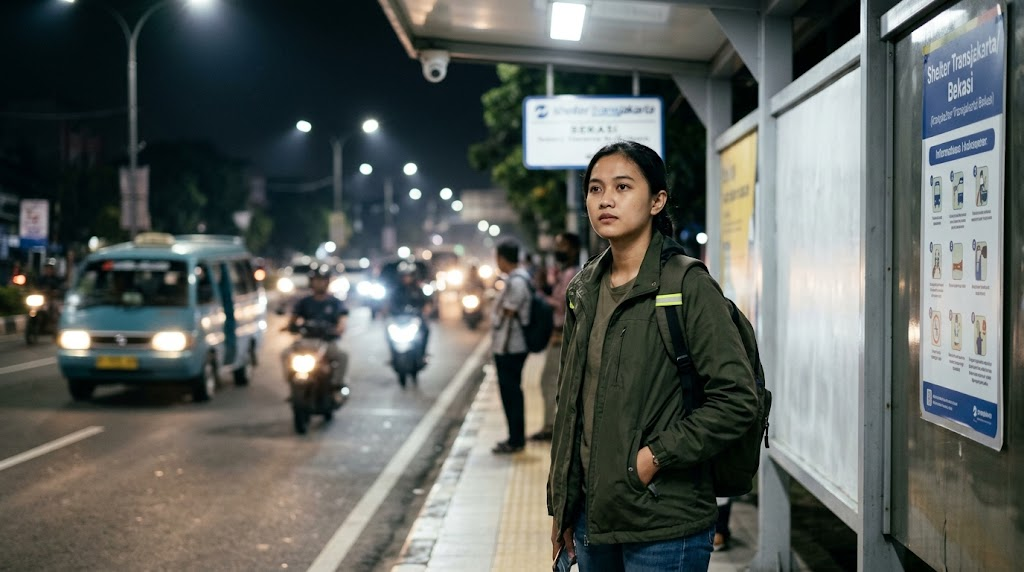
Yet, when the sun goes down, the fundamental dynamic of public transit undergoes a profound shift. Daytime transit systems are defined by high passenger volumes, frequent service, and abundant passive surveillance. Nighttime transit networks, by contrast, feature extended headways, isolated platforms, closed station facilities, reduced transit staffing, and a stark drop in bystander density.
Criminologists and urban safety experts note that crime on transit networks is rarely random; it thrives in environments characterized by isolation, low visibility, and reduced informal guardianship. When the protective buffer of a crowded train car or busy bus terminal disappears, commuters must rely on personal safety protocols, environmental awareness, and digital tools to navigate their journeys safely.
Developing a robust personal safety protocol for late-night commuting is not about living in constant fear. Rather, it is about establishing disciplined, proactive habits that minimize exposure to risk, project confidence, and provide clear action pathways if an unsettling situation arises.
1. Pre-Trip Planning and the Digital Shield
A safe late-night transit journey begins long before a commuter steps onto a platform or approaches a bus shelter. The single greatest vulnerability during late-night transit use is idle, unpredictable waiting time in exposed or isolated public locations.
Minimizing Platform and Stop Dwell Time
Extended wait times on dark street corners or empty underground platforms significantly increase a commuter’s vulnerability window. Modern transit agencies provide real-time GPS tracking feeds through mobile applications, official agency dashboards, and third-party transit platforms.
- Track Vehicle Schedules in Real Time: Rather than relying on static posted schedules—which are often subject to late-night maintenance delays or modified headways—check live arrival tracking before leaving an indoor location.
- Time Your Arrival: Aim to arrive at the bus stop or platform three to five minutes before the verified vehicle arrival time, minimizing stationary exposure in outdoor or unmonitored zones.
- Identify Backup Transit Options: Late-night transit routes often operate on 30- to 60-minute intervals. Before setting out, identify alternative options—such as an adjacent secondary bus line, a nearby taxi stand, or a rideshare application—in the event a scheduled trip is canceled or delayed.
Preparing Payment Credentials in Advance
Fumbling through a wallet, purse, or backpack for fare cards, credit cards, or physical cash at a station turnstile or bus boarding door creates a momentary lapse in situational awareness and advertises personal belongings.
- Have digital transit passes loaded onto smartphones or smartwatch wallets, or keep physical payment cards in an easily accessible front pocket before approaching the boarding area.
- Avoid opening bags or displaying wallets in unmonitored station mezzanines or outdoor waiting areas.
Leveraging Mobile Safety Features
Modern mobile devices offer sophisticated safety tools that function as a digital security network.
- Live Location Sharing: Utilize native smartphone features or secure messaging applications to share a live, real-time trip route with a family member, partner, or trusted friend during late-night journeys.
- Configure Emergency SOS Shortcuts: Ensure emergency SOS features—which allow users to rapidly trigger a call to local emergency services and broadcast location data by pressing side buttons—are configured and familiar.
- Download Local Transit Security Apps: Many major metropolitan transit authorities operate specialized, discreet reporting apps that allow riders to text reports, send photos, or alert transit police to non-emergency disturbances or safety hazards without making an audible phone call.
2. Navigating Stations, Platforms, and Bus Stops
The physical environment of a transit station or bus stop plays a critical role in personal security. Applying principles of Crime Prevention Through Environmental Design (CPTED)—such as seeking out well-lit areas, clear sightlines, and active camera coverage—dramatically reduces the likelihood of targeted harassment or crime.
PLATFORM SAFETY ZONES

[High Risk: Unlit platform ends / Behind stairwells / Near track edge]
                             │
                             ▼
[Optimal Zone: Center platform / Under bright lights / Near Help Phones & Cameras]
                             │
                             ▼
[Boarding Zone: Lead car with conductor or operator / Busy carriage]
Strategic Positioning on Rail and Subway Platforms
Underground and elevated train platforms can feel claustrophobic or deserted during late-night operational hours. Where a passenger waits on a platform matters immensely.
- Locate the Designated Night Boarding Zone: Most rail networks designate specific sections of the platform—often marked with overhead signs, yellow platform markings, or bright lighting arrays—for off-peak and late-night boarding. These zones are usually monitored directly by closed-circuit television (CCTV) cameras and align with the train conductor’s or driver’s car.
- Position Near Emergency Infrastructure: Stand near emergency call boxes, blue-light emergency phones, or station intercoms. These systems connect directly to station control centers or transit police dispatchers.
- Maintain Sightlines and Back Clearance: Avoid waiting behind stairwells, structural pillars, or dark alcoves that obstruct your view of approaching individuals. Position yourself with a wall or structural support behind you, allowing a clear 180-degree field of view across the platform.
- Stay Clear of Platform Edges: Stand well behind the tactile paving or yellow safety line until the train comes to a complete stop. Maintaining a safe distance from the track edge prevents accidental falls and eliminates the risk of being pushed during a sudden altercation or crowd movement.
Safe Practices at Street-Level Bus Stops
Street-level bus stops lack the physical barriers and station infrastructure of rail networks, making environmental selection vital.
- Choose High-Visibility Stops: If a primary bus stop is located on a dark, deserted stretch of road, consider walking an extra block to wait at a stop situated near an open late-night business, a well-lit commercial intersection, or an active street area.
- Stand Away from Dark Alleyways and Landscaping: Position yourself under active streetlights or commercial lighting, avoiding dense shrubbery, building cutouts, or dark parking lots where an approach could go unnoticed.
- Remain Visible to Approaching Drivers: Stand in a location where the approaching bus driver can easily spot you well before reaching the stop, ensuring the bus does not bypass the station due to low visibility.
3. Onboard Protocols: Selecting Cars and Seating
Once onboard a train, bus, or light rail vehicle, personal safety depends on selecting an environment that provides high natural surveillance, proximity to transit personnel, and rapid exit options.
Selecting the Right Rail Carriage
Not all train cars offer the same degree of security during off-peak hours.
- Board the Lead Car or Conductor Car: On subways and commuter trains, the front car houses the train operator. On multi-car commuter trains, look for the car marked for the conductor. Proximity to transit employees provides immediate access to assistance in an emergency.
- Avoid Empty Cars: While an empty train car may seem peaceful, it eliminates passive peer protection. If an aggressive or erratic individual enters an empty car, you become an isolated target. Choose a carriage with a moderate density of passengers who appear calm, alert, and engaged in normal transit behavior.
- Assess the Carriage Before Stepping Inside: As train doors open, glance inside the car to evaluate the atmosphere. If you notice active altercations, loud verbal disputes, evidence of heavy substance use, or broken fixtures, step into an adjacent car instead.
Strategic Onboard Seating on Trains and Buses
Where you sit inside a vehicle affects your ability to monitor your surroundings and react to emerging hazards.
- Near the Driver on Buses: On bus routes, sit in the forward section near the bus operator. Drivers maintain direct radio communication with transit dispatchers and law enforcement, and perpetrators are significantly less likely to initiate misconduct within the driver’s direct line of sight or rearview mirror.
- Aisle Seats Over Window Seats: Choose an aisle seat rather than a window seat. Sitting by the window traps you if an disruptive passenger chooses to sit in the adjacent aisle seat, restricting your movement and exit pathways.
- Near Emergency Outlets and Exit Doors: Position yourself within easy reach of onboard emergency brake levers, passenger intercoms, or emergency door release handles.
- Face the Direction of Travel: Sitting facing forward allows you to see approaching passengers walking down the aisle, giving you advanced visual warning of potential disruptions.
4. Managing Distraction and Protecting Belongings
The widespread use of smartphones, wireless noise-canceling headphones, and portable digital devices has introduced a major vulnerability to modern transit commuting: digital isolation.
While listening to music or scrolling through media makes a long commute pass quickly, complete sensory detachment from the surrounding environment makes a commuter an attractive target for opportunistic crime.
THE DISTRACTION MATRIX

High-Risk Profile:
  - Dual over-ear noise-canceling headphones active
  - Eyes locked continuously on smartphone screen
  - High-value laptops, jewelry, or cameras openly displayed
  - Unzipped bags with exposed personal belongings

Low-Risk / Defensively Sound Profile:
  - One earbud out or ambient noise mode active
  - Periodic scanning of surroundings and carriage entries
  - Valuables stowed securely out of sight
  - Bags zipped, held in front, or secured between feet
Reclaiming Environmental Awareness
Situational awareness does not require hyper-vigilance or constant anxiety; it simply means keeping your senses engaged enough to detect subtle changes in your immediate environment.
- Adopt the “One-Ear Rule”: If listening to audio, leave one ear completely free or set noise-canceling headphones to “transparency” or “ambient awareness” mode. You must be able to hear train arrival announcements, footfalls, opening doors, and ambient verbal cues.
- Practice Periodic Visual Scanning: Avoid staring continuously at a phone screen for minutes at a time. Look up and conduct a brief visual sweep of the carriage or platform every time the vehicle stops, when doors open, or when new passengers board.
- Recognize Early Behavioral Anomalies: Train yourself to notice potential disruptions early—such as passengers moving erratically between cars, individuals shouting, or passengers pacing back and forth—allowing you to adjust your seating position before a confrontation occurs.
Securing Personal Valuables
Property theft on late-night transit is overwhelmingly opportunistic, targeting items that are easily grabable near opening carriage doors.
- Conceal High-Value Items: Keep expensive laptops, cameras, high-end electronics, and designer jewelry hidden inside non-descript bags. Avoid wearing brightly illuminated over-ear headphones that signal high retail value.
- Secure Bags and Purses: Keep backpacks, purses, and totes zipped completely closed. On crowded or late-night trains, hold bags across your lap or place them on the floor directly between your feet, loop a strap around your leg, and keep hands on them.
- Beware the “Door-Grab” Theft: Be particularly cautious when using smartphones while seated near carriage doors. A common theft tactic involves a perpetrator snatching a phone directly out of a passenger’s hands right as the train doors open, escaping onto the platform just as the doors close. Hold devices firmly with both hands and angle them away from open aisleways and doors.
5. De-Escalation, Body Language, and Conflict Avoidance
In the enclosed environment of a moving train or bus, physical evasion is not always immediately possible. Navigating unwanted interactions requires a combination of strong, assertive body language, non-confrontational verbal management, and strategic relocation.
Projecting Confident Body Language
Predatory behavior often targets individuals who appear disoriented, distracted, anxious, or impaired.
- Maintain Posture: Walk with a steady, purposeful stride, keeping your head up, shoulders back, and eyes scanning forward.
- Project Awareness: Even if you feel nervous, project an aura of calm confidence. Make brief, neutral eye contact with people around you to signal that you are aware of their presence, but avoid prolonged, intense eye contact that could be misinterpreted as aggressive or challenging.
Managing Unwanted Interactions or Harassment
If an individual approaches, makes inappropriate remarks, or attempts to provoke an interaction, how you respond can prevent an escalation.
- The Neutral Disengagement Strategy: If someone makes a casual, non-threatening comment, a neutral, non-confrontational response or a polite, brief nod paired with looking away often resolves the interaction without escalation.
- Setting Clear Verbal Boundaries: If an individual becomes persistent, intrusive, or aggressive, project a firm, calm, and clear verbal boundary. Speak in a firm, audible voice using direct language: “I need you to step back,” or “Leave me alone.” Using an assertive, clear voice sets a firm boundary while alerting nearby passengers that an unwanted situation is developing.
- Avoid Arguments or Emotional Retaliation: Do not engage in insults, sarcastic retorts, or political arguments with volatile or impaired individuals. Rationalizing with an intoxicated or mentally dysregulated person is rarely successful and often escalates friction.
The Strategic Relocation Technique
You are never obligated to stay in a seat or train car where you feel uncomfortable. Do not let polite social norms keep you in a potentially hazardous situation.
- Move Early: The moment a situation inside a carriage or waiting area feels uncomfortably tense, get up and move. Do not wait for a minor disturbance to escalate into a physical threat.
- Execute a Natural Exit: You do not need to make a dramatic statement. Simply stand up calmly, as if preparing for your upcoming stop, and walk down the aisle into an adjacent car or toward the front of the bus near the driver.
- Use Station Stops to Switch Cars: On subway systems where movement between moving cars is prohibited or unsafe, wait until the train stops at a station, exit onto the platform, and quickly walk into a different car before the doors close.
6. Emergency Protocols and Active Response
If an interaction escalates into an active safety threat, physical harassment, or a violent confrontation, immediate, decisive action is necessary.
EMERGENCY ESCALATION PATHWAY

[Level 1: Uncomfortable Environment] ---> [Relocate to adjacent seat, car, or near driver]
                                                       │
                                                       ▼
[Level 2: Direct Verbal Harassment]   ---> [Set firm verbal boundary; Alert surrounding riders]
                                                       │
                                                       ▼
[Level 3: Active Threat / Assault]    ---> [Trigger Onboard Intercom/Brake; Call 911; Defend & Evade]
Utilizing Onboard Emergency Equipment
Every public transit vehicle is equipped with safety infrastructure designed to summon immediate help.
- Passenger Assistance Intercoms: Located near carriage doors and at the ends of train cars, these intercoms connect directly to the train operator or conductor. Pressing the button alerts the crew to an ongoing emergency, allowing them to notify transit police and hold the train at the next station where officers can board.
- Emergency Brake Levers: Use emergency brakes with caution. In most modern subway systems, pulling the emergency brake while a train is inside a tunnel stops the vehicle between stations, blocking emergency responders from reaching the car. It is generally safer to allow the train to reach the next station platform before seeking help, unless an immediate physical impact or fire requires an emergency stop.
- Driver Alerts on Buses: On a bus, alert the driver verbally or press the emergency stop strip repeatedly. Bus operators have dedicated silent panic alarms that instantly transmit GPS coordinates and vehicle numbers to municipal police dispatchers.
Mobilizing Bystander Support
In an enclosed carriage, turning passive bystanders into active allies can alter the dynamics of a confrontation.
- Direct Your Requests: Rather than shouting a general “Help!”—which can lead to the “bystander effect” where everyone assumes someone else will assist—address a specific individual directly: “You in the blue jacket, please press the emergency intercom button!” or “Call 911, this man is threatening me.”
- Create Loud Audibility: If physically attacked or cornered, draw maximum attention to the situation. Shout clear, functional commands: “Fire!” or “Call the police!” Noise strips away the cover of anonymity from an aggressor and forces surrounding individuals and station staff to react.
7. The Last Mile: Exiting the Station to Your Final Destination
A late-night commute does not end when you step off the train or bus; the “last mile” journey from the transit stop to your front door often presents unique vulnerabilities.
Request-Stop Programs on Night Buses
Many municipal bus agencies operate “Night Stop” or “Request-Stop” policies during late-night hours (typically between 10:00 PM and 5:00 AM).
- Under these programs, passengers traveling alone at night can request that the bus driver drop them off at a safe location along the established bus route closer to their destination, even if it is not a designated formal bus stop.
- Ask the bus driver about request-stop availability when boarding, allowing them time to evaluate safe pull-over locations along the route.
Exiting Transit Stations Safely
- Prepare Before You Exit: Secure your phone, adjust your bag straps, and have your house keys or entry credentials ready in your hand before you step off the train or exit the station lobby. Avoid standing near station exits searching through bags.
- Scan the Surrounding Area: As you step onto the street from a station stairwell or bus door, take five seconds to scan the immediate block. Look for open businesses, lit pathways, and any individuals loafing near the exit.
- Vary Your Walking Route: If you commute late at night regularly, avoid taking the exact same pedestrian path home every night. Vary your walking routes slightly to prevent predictable patterns.
Transitioning to Rideshares or Walking
- Verify Rideshare Vehicles Rigorously: If booking a rideshare service from a transit hub at night, wait inside the lit station entrance until the app indicates the driver has arrived. Before entering the vehicle, verify that the license plate, vehicle make and model, and driver photo match the app details exactly. Always ask the driver: “Who are you picking up?” rather than asking “Are you here for [Your Name]?”
- Walk with Purpose: Keep your head up, stay under streetlights, avoid dark shortcuts or unlit park trails, and keep your hands free (not buried deep in coat pockets) to ensure balance and defense readiness.
8. Structural Safety: Transit Agency Responsibilities
While individual preparation is vital, systemic safety requires continuous investment from municipal authorities, transit operators, and local law enforcement. Personal safety protocols operate best within a system designed around Crime Prevention Through Environmental Design (CPTED).
Commuters and civic advocacy groups increasingly hold transit authorities accountable for maintaining high structural safety standards, including:
- Enhanced Lighting Networks: Installing high-output LED lighting across all platforms, stairwells, parking facilities, and surrounding sidewalks to eliminate dark blind spots.
- Transparent Architectural Design: Replacing solid concrete walls in station mezzanines and stairwells with glass and open sightlines to maximize passive surveillance.
- Visible Staffing and Patrols: Deploying uniformed transit personnel, station ambassadors, and mobile security patrols on late-night routes to maintain a reassuring physical presence.
- Reliable Emergency Hardware: Conducting daily audits of platform emergency call boxes, CCTV camera arrays, and onboard communication links to ensure 100 percent operational readiness.
Commuting with Confidence
Navigating public transit at night requires a balanced, realistic approach to personal safety. It is neither about assuming every fellow passenger is a threat nor about ignoring the unique vulnerabilities created by late-night urban environments.
By integrating structured pre-trip planning, utilizing situational awareness, selecting optimal seating locations, minimizing digital distractions, and knowing how to leverage emergency infrastructure, late-night commuters can dramatically reduce their risk exposure.
Ultimately, preparedness fosters confidence. When commuters understand how to read their environment, set firm boundaries, and utilize available safety systems, they transform their late-night journey from a source of anxiety into a safe, routine, and predictable commute.
Leave a Reply