
Witnessing a hit-and-run collision can be jarring, but your immediate actions can directly protect victims, preserve vital evidence, and help law enforcement apprehend the fleeing driver.
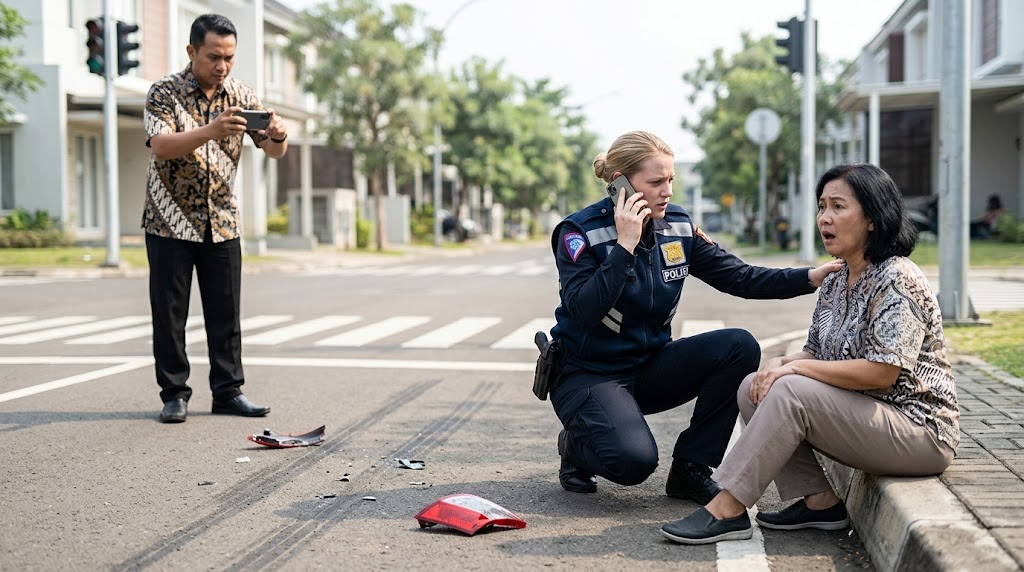
When a driver abandons the scene of an accident, every second counts. Here is a clear, step-by-step priority guide on what to do if you witness a hit-and-run incident.
1. Ensure Your Own Physical Safety
Before taking action, ensure you do not put yourself or others in immediate danger.
- Pull Over Safely: If you are driving, signal, pull your vehicle completely off the active roadway, and turn on your hazard lights. Never stop your car in an active traffic lane.
- Scan for Hazards: Watch for oncoming traffic, downed power lines, leaking fuel, or fires before stepping out of your vehicle.
- Stay on the Sidewalk or Shoulder: Remain on a protected sidewalk or roadside shoulder rather than walking onto a high-speed arterial road or highway.
2. Never Pursue the Fleeing Vehicle
It is critical never to chase after the fleeing vehicle.
Pursuing a fleeing driver creates extreme dangers:
- High Collision Risk: High-speed chases often lead to secondary, more severe accidents involving innocent bystanders or yourself.
- Unpredictable or Volatile Drivers: A driver fleeing a crime scene may be impaired, panicked, operating a stolen vehicle, or armed. Engaging or confronting them directly places you at risk of physical assault.
- Loss of Immediate Scene Support: Leaving the scene deprives injured victims of critical immediate emergency aid and deprives police of a primary eyewitness who can speak to dispatchers in real time.
3. Call Emergency Services Immediately (911)
Call emergency dispatch (911 or your local emergency number) as quickly as possible. Clear, immediate reporting triggers emergency medical response and allows police officers to set up perimeter checks for the fleeing vehicle.
When speaking with the dispatcher, provide information in this order:
- Exact Location: Street names, mile markers, direction of travel, or nearby landmarks.
- Medical Emergency Status: State clearly whether anyone appears injured or unresponsive.
- Vehicle Description: Make, model, color, body style (e.g., sedan, pickup truck, SUV), and any visible damage.
- License Plate: Provide any portion of the plate number you captured, along with the state or color of the plate.
- Direction of Travel: Note the specific street or highway direction the vehicle was heading as it left the scene.
4. Document Everything You Can Remember
While waiting for emergency responders, write down or record a quick voice memo detailing everything you observed while your memory is fresh. Minor details can be key to solving a hit-and-run investigation.
Key details to record include:
- Vehicle Identifiers: Make, model, year range, primary color, tinted windows, custom rims, commercial logos, or roof racks.
- Damage Location: Specific areas of damage (e.g., “shattered passenger headlight,” “crushed rear bumper,” “heavy scrapes on driver-side door”).
- Driver Description: Estimated age, gender, hair color, clothing, or distinguishing physical features if visible.
- Collision Time and Weather: The precise time of impact, ambient lighting, and weather conditions.
5. Render Aid to Victims (If Safe and Trained)
If the scene is safe from traffic hazards and you are physically able to help, check on the victims involved in the collision.
- Do Not Move Injured Persons: Unless there is an immediate life-threatening hazard (such as a vehicle fire or rising water), do not move injured victims. Moving someone with spinal or neck trauma can cause permanent damage.
- Provide Comfort and Reassurance: Let the victim know that emergency services are on the way and that you witnessed the incident.
- Basic First Aid: If you are certified in first aid or CPR, apply pressure to severe bleeding wounds using clean cloth or bandage materials until paramedics arrive.
6. Secure the Scene and Preserve Evidence
Physical debris scattered on the road can help accident reconstruction specialists trace the fleeing vehicle.
- Do Not Touch or Move Debris: Leave broken glass, paint chips, shattered plastic trim, or dislodged vehicle parts where they fell. These items often feature part numbers or paint matches that allow investigators to pinpoint the exact make, model, and year of the suspect vehicle.
- Keep Bystanders Away: Ensure other witnesses or bystanders do not step on or clear away physical evidence before police arrive.
7. Identify Potential Cameras and Other Witnesses
Take a look around the immediate area to spot potential recording devices or additional eyewitnesses:
- Commercial and Residential Cameras: Note nearby security cameras on retail storefronts, gas stations, traffic signals, or residential video doorbells aimed toward the crash site or exit route. Point these out to arriving officers.
- Gather Witness Contacts: Talk briefly to other bystanders who saw the crash. Collect their names, phone numbers, and email addresses so you can pass a consolidated witness list to investigating officers.
8. Provide Your Official Statement to Law Enforcement
When police officers arrive at the scene:
- Remain Present: Stay at the scene until an officer formally interviews you and takes your contact information.
- Stick to the Facts: Describe exactly what you saw, heard, and observed. Clearly distinguish between facts you directly witnessed (e.g., “The red truck ran the red light”) and assumptions (e.g., “I think the driver was speeding”).
- Provide Media Files: If your vehicle’s dashcam captured the collision, or if you took photos or video of the scene or fleeing vehicle with your smartphone, inform the investigating officer immediately and offer to transfer the files.
Summary Action Checklist
| Priority Step | Immediate Action Required |
| 1. Safety First | Pull over to a safe area; turn on hazard lights; avoid active traffic lanes. |
| 2. Stay Put | Do not chase the fleeing car; remain at the scene to assist victims and police. |
| 3. Call 911 | Report exact location, injuries, vehicle description, plate number, and direction of travel. |
| 4. Document Details | Write down or record vehicle make/model/color, damage points, and driver features. |
| 5. Render Aid | Check on victims; keep them still and calm; apply basic first aid if trained. |
| 6. Protect Evidence | Leave vehicle debris untouched; identify nearby security cameras for police. |
| 7. Report to Police | Stay at the scene, stick strictly to observed facts, and share dashcam/photo footage. |
Leave a Reply